
Stacey Claessens
Global Manager, Community Impact
3M

Skills at Scale: Delivering America's Competitive Advantage
Manufacturing's premier workforce event — practical strategies for attracting, training and retaining the people who power the industry.
The Event
The Manufacturing Institute invites you to the fifth annual Workforce Summit — Skills at Scale: Delivering America's Competitive Advantage — October 26–28, 2026, in Indianapolis, IN.
This year’s Summit focuses on the workforce capabilities manufacturers need to grow and compete. Industry leaders, practitioners and experts will share practical approaches for building strong talent pipelines, developing technical and digital skills and supporting a workforce prepared for rapid technological change. Across keynotes, case studies and peer discussions, attendees will learn what leading manufacturers are doing to improve retention, expand training and create work environments that support long-term success. The Summit is designed for participants to walk away with actionable strategies they can implement immediately.
Beyond the sessions, the Workforce Summit creates space for manufacturers — large and small — to connect, share ideas and build partnerships that strengthen the future manufacturing workforce.
I attend workforce conferences across many industries, and this was by far one of the most well-organized and impactful events I've been to.
Curated content including real-world case studies, panel discussions, research insights and executive interviews.
Network and connect with peers on opportunities to attract and retain the future manufacturing workforce.
Employers, educators, economic developers, government officials and community partners collaborating in one place.
A national convening focused squarely on manufacturing workforce challenges — and the strategies that solve them.
The conversations shaping this year's program.
Three days in Indianapolis
All times ET. Mainstage conversations, breakout sessions, peer discussions and networking — customize your experience around your workforce priorities.
Manufacturers continue to face persistent challenges in filling frontline production roles, particularly skilled and core positions critical to operations. This session draws on labor market data to identify the most difficult-to-fill roles across the manufacturing sector and examines the underlying drivers of these gaps. Building on this analysis, the discussion will explore the emerging potential of generative and agentic AI to reimagine job design — such as reducing administrative burden, supporting training and onboarding, and lowering barriers to entry for new workers. Attendees will gain a practical perspective on how these technologies may contribute to improving job quality and accessibility, with the goal of strengthening workforce pipelines and better engaging next-generation talent.
This is where the biggest workforce conversations come together. Mainstage sessions feature manufacturing leaders, industry experts and MI perspectives on the strategies, research and emerging issues influencing how manufacturers attract, develop and retain talent.
Start the day by meeting manufacturers, educators, workforce partners and industry experts from across the country. Visit sponsor displays, make new connections and plan your Summit experience before sessions begin.
The future of manufacturing depends on people as much as technology. In this keynote, GE Appliances leaders Bill Good and Tami Hatfield share how the company's Zero Distance strategy drives direct engagement between leaders and front-line employees — turning feedback into continuous innovation. Rather than treating improvement as a top-down initiative, GE Appliances empowers workers on the floor to identify problems and shape solutions, creating a culture where every voice carries weight. Bill and Tami will also show how this philosophy extends beyond daily operations, through investments in apprenticeships, technical education and partnerships that position manufacturing as a compelling career choice for the next generation of talent. The results speak for themselves: this approach has helped fill 4,000 new jobs, support $3.5 billion in U.S. manufacturing investment, and propel GE Appliances to become the #1 appliance company in the U.S.
AI is changing work faster than roles, workflows and norms can keep up, and frontline workers across manufacturing are stepping in to fill the gap. Join us for an early look at findings from PwC and MI's Workforce Redesign Gap Survey, exploring where informal workarounds are emerging on the shop floor, how team behaviors are shaping AI use, and where alignment matters most for performance. You'll also have the opportunity to review initial results and contribute your perspective to help inform the final findings.
At Schweitzer Engineering Laboratories, onboarding shifted from a traditional batch model to a pull-based approach aligned to production demand. Employees start when available and connect to their team immediately, reducing downtime. Supervisors lead onboarding in real work environments using actual equipment and conditions. This approach improves safety learning, reduces ramp-up time and strengthens early engagement.
Focus: Onboarding, frontline leadership • Level: Foundational
3M and GPS Education Partners redesigned program launches through structured co-design sessions with manufacturers, schools and colleges. The process guides partners through six phases to build aligned, student-centered talent pathways. Outputs include defined pathways, implementation plans and measurable outcomes. This model strengthens partnerships and creates more scalable workforce pipelines.
Focus: Education partnerships, student engagement, curriculum design • Level: Foundational
At Westminster Tool, emotional intelligence strengthens communication, coaching and team resilience. This approach helped new hires, many without manufacturing experience, successfully grow into independent roles. Early gaps in emotional intelligence also helped identify misalignment quickly. The session shows how emotional intelligence can improve retention, accelerate development and strengthen workforce performance.
Focus: Leadership development, emotional intelligence • Level: Advanced
At Ivy Tech, technical programs are redesigned into a unified, modular framework aligned with industry needs. The model shifts from multiple degree pathways to a shared foundation with specialized training in maintenance and automation. This approach ensures consistent, high-demand skill development across regions while providing a scalable solution to address manufacturing talent shortages.
Focus: Postsecondary pathways, system change, employer-directed training • Level: Advanced
At Trane Technologies, leaders and frontline employees are equipped with tools to have clear, consistent career conversations. The approach includes defined career pathways, planning tools and structured conversations supported by guides and real employee stories. These efforts help employees envision long-term growth within the organization and understand the steps needed to advance. Sites using this model have seen stronger engagement, improved retention and increased internal mobility.
Focus: Employee career planning, training, job frameworks • Level: Intermediate
At Dow, a total workforce strategy is built around skills visibility and intentional deployment across employees and contract labor. By aligning work to skills rather than headcount, leaders redeploy talent, simplify operations and maintain performance during a downturn. The approach improves workforce utilization, reduces operational risk and helps sustain customer delivery. It offers a practical framework that manufacturers of any size can adapt to build a more agile workforce.
Focus: Workforce planning, skills, talent reorganization • Level: Intermediate
At the American Composites Manufacturers Association (ACMA), traditional training was transformed into a blended model that combines digital learning, instructor-led training, hands-on experience and certification pathways. Static materials were converted into interactive modules organized into structured learning paths with practice-based assessments. This approach improves accessibility, consistency and scalability while maintaining hands-on learning, offering a practical framework that manufacturers can apply in their own organizations.
Focus: Training, assessments, skills, digital learning • Level: Foundational
The Careers Electric initiative, led by the Siemens Foundation, builds a coalition-based model to scale electrical workforce training. It connects multiple entry points, including pre-apprenticeship programs, community college pathways and advanced credentials. The approach uses employer leadership and accountability to drive results and is designed to scale nationally, with strong early demand and growth projections.
Focus: Industry coalition, systems building • Level: Intermediate
At KMM Group, workforce strategy shifted from reactive hiring to long-term community engagement. The approach includes school partnerships, mentorships, internships and sustained outreach to students and educators. By building trust and visibility over time, the company strengthened awareness of manufacturing careers. This strategy supports sustainable hiring and stronger talent pipelines.
Focus: Student engagement, community building • Level: Foundational
This session will highlight how Johnson & Johnson is strengthening the life sciences workforce through innovative, cross-sector collaborations that expand talent pipelines and build job-ready skills. Drawing on initiatives with community colleges and economic development organizations, as well as workforce investments in key states, the discussion will showcase how public-private partnerships, apprenticeship models and applied learning experiences are addressing talent acquisition and retention challenges. Featuring perspectives from both strategic leadership and on-the-ground operators, the session will focus on four core pillars — strategic partnerships, skills-based training, experiential learning and scalable workforce models — and provide practical, transferable insights for organizations looking to build a resilient, future-ready manufacturing workforce.
Focus: Partnerships • Level: Intermediate
Manufacturers everywhere are wrestling with the same talent challenges. The ones who come out ahead are the ones who invest early in a clear workforce strategy. Join the Manufacturing Institute's Workforce Innovation team for an interactive session where we'll preview our new Workforce Strategist Course, built to help you diagnose your toughest challenges and leverage real-time SMEs who have conquered the same hills and valleys. Along the way, you'll build retention and upskilling strategies tailored to your environment and forge the external partnerships — with schools, workforce boards and community organizations — that keep your pipeline full. Manufacturing needs workforce strategists. Not just workforce programs.
Focus: Strategic workforce planning, leadership development, internal and external alignment • Level: Advanced
Ohio manufacturers faced 95,000 openings during 2024 in operator and technician roles. The traditional talent pipeline was never going to catch up to that kind of demand. Ohio's answer was manufacturer-led program design and a rebuild of the state's funding, credit and data systems to accelerate youth apprenticeship. This session brings together CareerWise, America's leading youth apprenticeship intermediary, the Ohio state agency that moved the money and the rules, the association representing 1,400 Ohio manufacturers, and a manufacturer currently hosting apprentices on the floor in Ohio. Panelists will walk through what it takes to start a youth apprenticeship program, what supervisors have to change, when the ROI really becomes meaningful, and how The Ohio Manufacturing Association teamed up with the state and educational partners to enable more apprenticeship through policy change. Attendees leave with the sequence Ohio ran and the playbook to get started at home.
Focus: Youth talent, policy change, apprenticeship ROI • Level: Foundational
Return to the mainstage for featured perspectives on the workforce trends and strategies shaping manufacturing. These sessions bring the full Summit audience together to hear from industry leaders, research partners and organizations advancing new approaches to workforce development.
Grab a pre-reception drink and/or a sweet treat and join us for a Brewing Solutions session! These lively, facilitated conversations are designed to spark honest dialogue about the workforce opportunities and challenges shaping manufacturing today. Intentionally informal, Brewing Solutions sessions create space for attendees to ask questions, compare approaches, and discuss what's working, what's not and what's still being figured out. Pull up a chair for one of our most popular breakout experiences year after year.
Sessions:
Behind the Brew
What’s on Tap for Talent
What’s the Scoop on Culture (sponsored by the National Organization on Disability)
Brain Freeze Breakthrough
YKTA shifted from competing for external talent to building a “grow your own” workforce model. The approach creates structured pathways that move entry-level employees from onboarding through certification, cross-training, leadership readiness and internal promotion. Rather than relying on a tight labor market, YKTA focuses on developing talent from within — strengthening retention, building skills and creating opportunities for long-term career growth.
Focus: Incumbent talent development, leadership development, career pathways • Level: Intermediate
At McKinsey & Company, leaders are helping manufacturers confront the growing gap between rapid AI adoption and limited investment in frontline talent. With a structured six-enabler framework spanning strategy, operating model, training, technology, partnerships and culture, this approach shows how to build AI-ready workforces at scale. Manufacturers are shifting from viewing talent as a cost to measuring labor performance and ROI alongside capital investments. The result is a practical roadmap to strengthen workforce capability, improve retention and unlock long-term value.
Focus: AI • Level: Foundational
At JBM Packaging, a 12-month workforce model connects hiring, development and leadership progression, including intentional support for fair chance talent. Employees advance through four stages supported by coaching, clear expectations and structured development. The shift from a shorter model improved retention, leadership performance and workforce stability. This system shows how long-term investment and supervisor engagement can drive lasting results.
Focus: Second chance hiring, employee support strategies • Level: Intermediate • This session is also supported by JBM Packaging's partner, Rezme.
At Rheem Manufacturing, AI agents are embedded into daily workflows to coach employees through structured problem solving. This approach captures expert knowledge, standardizes decision-making and provides real-time support to frontline workers without replacing human judgment. By integrating AI into day-to-day work, Rheem reduces reliance on a few experts while improving consistency across operations. Results include faster issue resolution, less rework and stronger problem-solving capabilities.
Focus: AI, knowledge transfer • Level: Intermediate
Come back together for final reflections and a look at how attendees can carry the Summit's ideas, resources and connections into their work. Boxed lunches will be available to take with you as the program concludes.
The voices on stage
The first wave of manufacturing and workforce leaders on stage in Indianapolis — with more announced as the agenda is finalized.




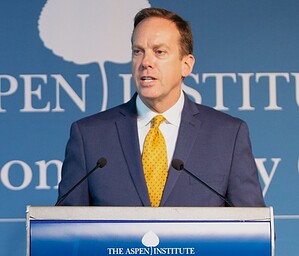

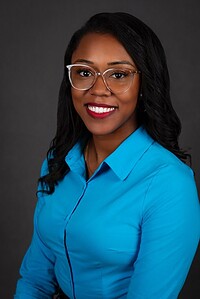
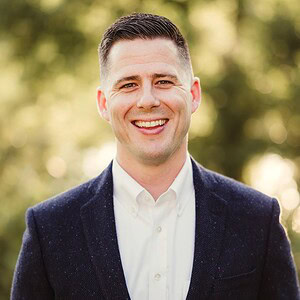
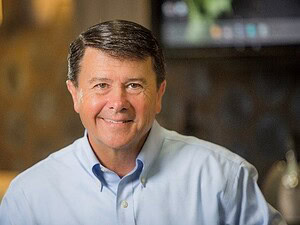
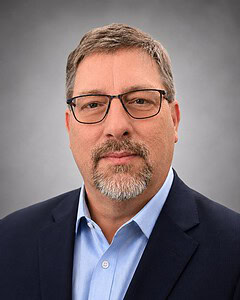
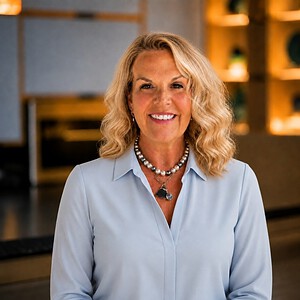


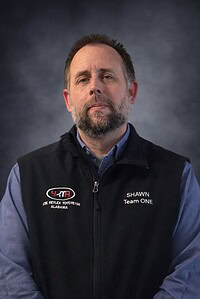
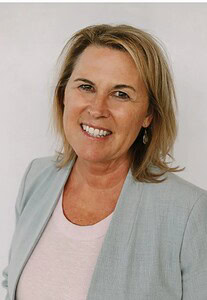

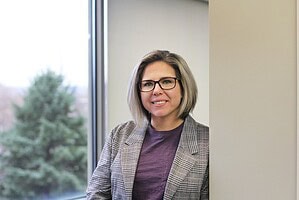

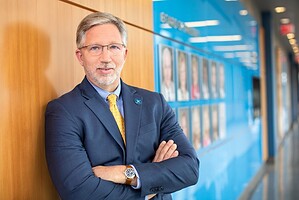
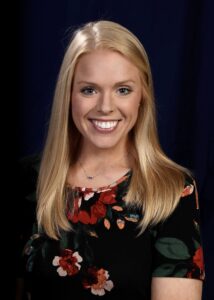

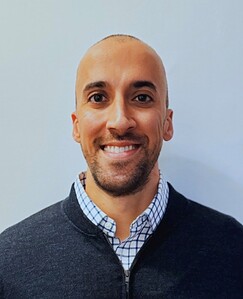


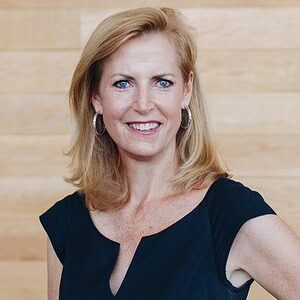
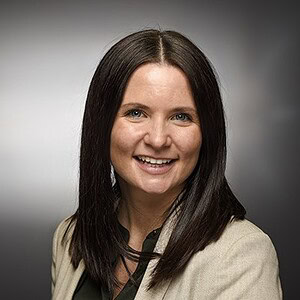
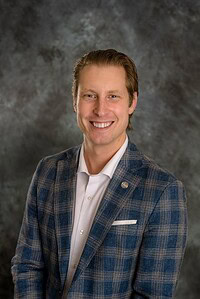

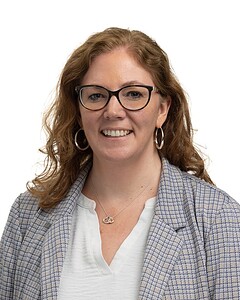

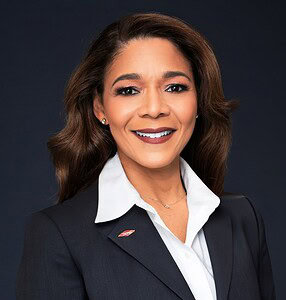
Stacey Claessens [pronounced Class ∙ ens] joined 3M over 28 years ago and has held a variety of positions with increasing responsibilities across the company. For 10 years, she served as the executive assistant and office supervisor to two of 3M’s Chairman, President and CEO’s, also leading a team of executive assistants who supported the company’s top leadership. In 2018, she joined 3M Community Impact – the philanthropic arm of 3M – a position she feels has enabled her to find her purpose.
Stacey’s current 3M responsibilities include community and volunteer engagement activities with 3M’s global sites - skilled trades investments, skills-based and general volunteerism, community relations, grants management, and disaster and humanitarian relief.
Describing herself as passionate and quite serious about connecting people to social impact - while at the same time finding ways to advocate for people who are under-resourced - Stacey is a Social Entrepreneur, having completed certification through the University of Texas at Austin.
Stacey is a member of the Austin Texas-area Yaya’s, a group from the Austin tech industry that shares a common goal of corporate social responsibility, and a member of the Austin Texas Corporate Engagement Council, a group formed by Austin’s Mayor to bring civic leaders together with corporate funders to do good.
Stacey and her husband, Pete, live in Austin, Texas - and have two grown children, as well as a Bichon, who affectionately runs their home and their lives.
Outside of 3M, Stacey serves as a committee member of the Duke Employees’ Assistance Fund, and in her spare time she never misses an opportunity to sing, swim, volunteer, or spend time with family, and she loves to do things that will evoke lots of laughter.
Jacqueline Cooley is the Leader of Learning and Development at JBM Packaging, where she leads workforce development, leadership, and employee engagement strategies that strengthen retention and organizational performance. With more than 15 years of experience spanning government, social services, and manufacturing, she specializes in developing innovative talent solutions that drive both business results and workforce stability. She leads JBM's nationally recognized Better Lives Program, an award-winning workforce development model that integrates leadership development, employee coaching, and fair chance hiring into a scalable business strategy. A SHRM-CP certified professional with a Master's degree in Public Administration, Jacqueline is recognized for her thought leadership in workforce development, fair chance employment, and building sustainable talent strategies that create value for both employees and employers.
Jacob Coursey is an accomplished Human Resources leader with extensive experience driving talent strategy, organizational effectiveness, and culture transformation across manufacturing operations. In his current role as Human Resources Leader at Trane Technologies, he oversees HR teams supporting five locations within the Commercial HVAC business unit. He partners closely with senior leaders to advance growth strategies, lead change management efforts for a newly acquired business, and strengthen organizational capability through leadership development and continuous improvement initiatives.
At Trane Technologies, Jacob has directly led the HR function for six manufacturing plants and held indirect leadership roles across the North America region. He has championed initiatives to improve workplace culture, enhance workforce stability, and support operational excellence while partnering with plant leadership to balance growth, productivity, and employee engagement.
Before joining Trane Technologies, Jacob held HR leadership roles at ITW Hartness, Club Car, and Ingersoll Rand. Across these positions, he built deep expertise in talent development processes, succession planning, compensation strategies, employee relations, staffing & retention, and change management. His career is defined by a strong commitment to developing leaders, empowering teams, and building people strategies that align business performance with a positive employee experience.
David Etzwiler is Chief Executive Officer of the Siemens Foundation, the corporate philanthropic arm of Siemens USA, and a member of Siemens’ U.S. Leadership Team. Throughout his career, David’s leadership has been at the intersection of business, government, and philanthropy.
The Siemens Foundation is a force for economic, social, and racial justice across the United States. The Foundation focuses its efforts on two critical areas that align societal needs and Siemens' knowledge, networks, and technological strengths: 1. Advancing workforce training and, 2. Reducing health disparities. The Foundation’s initiatives target workforce development in healthcare and electrification careers, transforming industries and markets while significantly improving the lives of individuals, families, and communities.
Prior to joining Siemens, David served as Vice President of Community Affairs and Executive Director of the Medtronic Foundation. In this role, he aligned the Foundation's philanthropy with Medtronic's global business strategy, building substantial value for the organization and society. While at Medtronic, David managed the Foundation's growth from $6.5 million to $31.6 million annually, while simultaneously introducing operational and budget efficiencies that enhanced service levels and quality. David’s tenure at Medtronic also included leading state government affairs efforts in Medtronic’s headquarters state and serving on the board of its political action committee.
David earned his Juris Doctorate, cum laude, from the University of Minnesota Law School, a Master of Public Policy from The Claremont Graduate University and his B.A. from Northwestern University. Before his career in philanthropy, he practiced law with a focus on charitable giving, estate planning, and non-profit management, providing a strong foundational understanding for his subsequent leadership roles.
David serves on the Board of the Siemens Foundation, is an advisor to the Charles L. Shor Foundation, and is a past Chair of the Conference Board's Corporate Social Responsibility Committee. David ‘s board experience also includes the National Council on Foundations, where he chaired both the Corporate and Global Philanthropy Committees and co-chaired the Task Force on the Future of Corporate Philanthropy.
Chris Ewer is Vice President, Vision Care Supply Chain at Johnson & Johnson, where he leads the global supply chain strategy and operations supporting the company's Vision Care business, including ACUVUE®, the world's leading contact lens brand. Chris oversees a global manufacturing and supply network that helps deliver innovative eye health solutions to millions of patients and consumers around the world.
With more than 25 years of international leadership experience across North America, Europe, and Asia, Chris has held senior roles spanning the MedTech, Pharmaceutical, and Consumer Health sectors. Prior to his current role, he led the Johnson & Johnson Innovative Medicine Supply Chain for the Asia Pacific region, based in Singapore.
Throughout his career, Chris has been passionate about developing talent, building high-performing teams, and cultivating the skilled workforce needed to support advanced manufacturing and healthcare innovation. He is recognized for fostering a culture of continuous improvement, collaboration, and innovation while helping organizations strengthen capabilities and deliver meaningful impact for patients and consumers.
Chris holds a degree in Manufacturing Engineering and Business Management from Brunel University in London, United Kingdom.
D’Tara “DT” Frank is a Construction Manager supporting Large Projects at Dow, bringing more than 16 years of experience in industrial construction, project execution and leadership within the industrial sector. A civil engineer by education, she has built her career leading complex capital construction projects that support manufacturing operations, while championing collaboration, workforce development and continuous improvement across the industry.
Beyond project execution, D’Tara is actively engaged in advancing the future of the engineering, construction and manufacturing workforce. She serves on the Construction Industry Institute (CII) Executive Committee and as a CII Implementation Champion, supporting the advancement and implementation of industry best practices in capital project planning and execution. She is also actively involved with the National Association of Women in Construction (NAWIC) and serves on the NAWIC Heavy Industrial Construction Council (HICC), supporting efforts to strengthen industry engagement, professional development and opportunities for women across heavy industrial construction.
Her commitment to developing future talent extends beyond the workplace. D’Tara is the founder of the Each One Teach One Foundation and the author of Building the Future: Girls in Engineering & Construction, a children’s book designed to introduce young people to careers in engineering and construction and help expand the pipeline of future industry professionals. She also dedicates her time to mentoring emerging professionals and supporting initiatives that connect education, mentorship and industry.
D’Tara holds a Bachelor of Science in Civil Engineering from Southern University and A&M College and an MBA with a concentration in Project Management from Louisiana State University Shreveport. Across her professional, industry and community leadership, she is passionate about developing people, strengthening workforce pipelines and helping prepare the next generation to build the future.
Tyler Freeman is an Associate Partner in McKinsey’s Operations, Manufacturing and Supply Chain practice focusing primarily on Frontline Talent and co-leads the Firm’s Frontline Workforce of the Future service line. He serves clients at the intersection of Talent and Operations and is an expert on Frontline operations and organizational design for enterprises with large, distributed operations. He is based in McKinsey’s Atlanta office.
Tyler brings 10+ years of frontline operations experience to the Firm. Prior to McKinsey, was an aviation maintenance supervisor supporting Maintenance, Repair and Overhaul frontline operations. Tyler transitioned roles in 2014 to lead operations for multiple financial services practices, primarily focusing on practice and customer experience transformations.
Tyler holds a BS in Business Administration from The University of North Carolina, Greensboro, an MBA from Goizueta Business School and a Juris Masters in Corporate Law, both from Emory University in Atlanta.
As Vice President of Supply Chain at GE Appliances, a Haier company, Bill Good is responsible for managing all GE Appliance factories and leading the company’s entire Supply Chain network through its Lean transformation. Under Bill’s leadership, his team has developed GE Appliance factories into world-class industry leaders in operational excellence, product quality, advanced manufacturing automation/ digitization, and technical and operational talent development.
Prior to his promotion to VP, Bill led the company’s Decatur Plant through a revitalization of its product lines, including a $120 million investment in equipment and machinery that significantly increased capacity operational performance.
Bill joined GE Appliances from Whirlpool where, over the course of eight years, he held positions of increasing scope and responsibility, including: Director of Operations at both the Findlay and Clyde Divisions; Director of PMO North America Manufacturing; and Plant Manager at the KitchenAid Plant.
Bill’s career began with Diversified Products in 1988 before moving to Tri-Glas in 1994 as the Division Manager responsible for the manufacture of automotive components for Ford, Chrysler, GM, Kenworth, and Peterbilt. After moving to Char-Broil, he served multiple roles over the next 10 years to include serving as the Vice President of Operations.
Bill holds a Bachelor of Science degree in Operations Management from Auburn University, and an MBA and a Master of Science in Human Resource Management from Troy State University.
Don Griffith is a workforce development and manufacturing training professional with extensive experience supporting automotive manufacturing operations, employee development, and technical training initiatives. He has a strong background in building practical, hands-on training programs that connect classroom learning with real-world production needs in areas such as stamping, welding, maintenance, safety, quality, standardized work, and continuous improvement.
Don has been involved in developing training systems that support new hire onboarding, team member skill development, leadership readiness, job instruction, and kaizen activity. His work often focuses on strengthening the connection between production, safety, quality, and people development to help create a more capable and confident workforce.
With experience in automotive supplier operations, workforce partnerships, technical education, and manufacturing training strategy, Don brings a practical, shop-floor-centered approach to employee development. He is committed to helping team members understand not only how to do the work, but why the work matters.
Don’s professional interests include Toyota Production System principles, standardized work, problem solving, leadership development, workforce pipeline development, and creating training programs that are simple, effective, and directly tied to business needs.
Tami Hatfield is an accomplished human resources executive with more than three decades of experience leading workforce transformation, labor strategy, talent development and culture change in complex manufacturing environments. As Executive Director of Human Resources for Supply Chain at GE Appliances, she leads HR strategy across nine North American manufacturing facilities, aligning people priorities with business performance.
Under Tami's leadership, GE Appliances has introduced innovative programs that support employees at work and beyond - from career development and meaningful recognition to healthcare, transportation assistance, dedicated ambassadors for new employees, and resources for multilingual employees. She has also advanced apprenticeships, skilled-trades pathways, technical training, and partnerships that connect educators and students with modern manufacturing careers.
Tami joined GE Appliances in 2020 after a distinguished 27-year career at Ford Motor Company, where she served in leadership positions in manufacturing, labor relations, and workforce development. She holds a bachelor's degree from Miami University, a master's degree in manufacturing technology from Eastern Kentucky University, and an MBA from Bellarmine University.
A recipient of the Manufacturing Institute’s 2025 Women MAKE Award, Tami is recognized for developing people-centered strategies that deliver measurable business results. She serves on the boards of Ivy Tech Community College and Evolve502 and is actively involved in national leadership initiatives with the Women in Manufacturing (WiM) Association and other organizations dedicated to advancing education and workforce development. Her leadership philosophy, “Stronger Together,” reflects her commitment to collaboration, innovation, and accountability—and to creating workplaces where every employee feels valued, has opportunities to grow, and is empowered to contribute.
Kyle Jordan is the Director of Certification for the American Composites Manufacturers Association (ACMA), where he leads workforce education initiatives and the Certified Composites Technician (CCT) program. With more than 10 years of experience in credentialing, instructional design, and adult learning, he specializes in developing scalable training systems that integrate digital learning, hands-on experiences, and industry-recognized certifications. Kyle is passionate about helping manufacturers build modern workforce development ecosystems that improve onboarding, upskilling, and long-term talent retention.
Shawn Merritt is the Quality Manager at YKTA, a Tier One supplier supporting Mazda Toyota Manufacturing, where he leads quality systems while driving workforce development, leadership training, and continuous improvement initiatives. With more than 26 years of experience in automotive manufacturing, Shawn has built a reputation for developing innovative programs that strengthen both people and processes.
He is the co-creator of LAUNCH, YKTA's workforce development initiative focused on promoting from within through leadership development, higher education, second chance employment, and career advancement. Through LAUNCH, more than 20 team members have advanced into leadership roles, while numerous employees have returned to college to pursue degrees ranging from associate to master's level.
Shawn serves as Co-Chair of Rocket City FAME, one of the nation's leading Federation for Advanced Manufacturing Education chapters, and is President of Wallace State's TITAN Apprenticeship Program, helping develop the next generation of skilled maintenance, tool and die, and manufacturing professionals.
His work has been recognized nationally, including presenting the LAUNCH workforce model which has been highlighted throughout Alabama and adjoining regions Under his leadership, YKTA has earned recognition as Wallace State Workforce Learning Employer of the Year (2025) and Calhoun Community College Workforce Employer of the Year (2026).
Passionate about building people as much as building products, Shawn believes that investing in employees, creating opportunity, and promoting from within are the foundation of sustainable manufacturing excellence.
Lori Miles-Olund earned a double major in Marketing and Psychology from Portland State University and holds a Certified Composite Technician certification, a training tool that will be one of the several training tools she will be sharing today.
Lori Miles-Olund began her career at Miles Fiberglass & Composites in accounting and payroll, progressing through human resources before ascending to her current role as Owner and President, a position she has held with the company since 2005.
In her role, Lori Miles-Olund oversees government regulations, business development, marketing, strategic planning, and public outreach. She has served as Past Chair of the American Composites Manufacturers Association, the Pacific Northwest Defense Coalition, Oregon Business & Industry, and the North Clackamas County Chamber of Commerce. She currently resides on the Boards of Clackamas Academy of Industrial Science High School, National Manufacturers Association and the Oregon Manufacturing Extension Partnership.
Jordan serves as the Director of Workforce Innovation & Policy at The Manufacturing Institute, the nonprofit workforce development and education affiliate of the National Association of Manufacturers (NAM). In this role, he works to advance policy and programmatic solutions to the workforce challenges that manufacturers across the country face.
Prior to joining The Manufacturing Institute, Jordan worked at the National Governors Association to support and advise Governors Offices and their workforce development systems to create training and upskilling policy and programs that served employers and communities alike. Before that, Jordan worked at the City of Clearwater (Florida) and the City of Bloomington (Indiana) on community and economic development efforts.
Jordan earned his MPA from Indiana University and BA from the University of Florida. Jordan is originally from Portland, Maine, and now resides in Washington, D.C.
Tricia Munoz-Ludwig is Director of Work-Based Learning Programs & Partnerships at GPS Education Partners (GPS Ed), where she has spent over a decade helping schools, employers, and communities build work-based learning programs that actually work for students and for the businesses counting on tomorrow's workforce.
Tricia's guiding belief is simple: the talent gap isn't a talent problem, it's a partnership problem. Employers and educators are rarely short on willingness, they're short on infrastructure. Her work is about building that infrastructure: the shared language, the trust, and the systems that turn good intentions into lasting talent pipelines.
Drawing on GPS Ed's "four A's" framework (authenticity, aspiration, ability, and agency) Tricia has helped manufacturers and school districts across the country design work-based learning experiences that move students from early career exposure into real, immersive internships. She's contributed to GPS Ed's book, Make School Work: Solving the American Youth Employment Crisis Through Work-Based Learning, sharing on-the-ground insight from implementing high-quality programs at scale, including tackling manufacturing's image problem head-on and helping students see themselves in careers they didn't know existed.
With a background in Business and Marketing Education and more than 18 years in education overall, Tricia brings both a practitioner's toolkit and a partnership-builder's instinct to every room she's in. She's known for turning "who do you know?" into a strategic asset, mapping relationships, resources, and regional talent needs into programs that strengthen communities and give students a real shot at a career they're excited about.
Autumn Popp joined Schweitzer Engineering Laboratories, Inc. (SEL) in 2018 and has held a variety of roles within the Manufacturing division. Through her experience supporting manufacturing and employee development, she has built expertise in leadership, continuous improvement, and employee empowerment. She currently serves as a Manufacturing Manager in Pullman, Washington, where she is passionate about developing high-performing teams and fostering a culture of accountability, growth, and operational excellence.
Throughout her career at SEL, Autumn has partnered with leaders and employees to support initiatives that improve manufacturing performance, strengthen employee development, and enhance factory effectiveness. She is committed to creating an environment where employees are equipped with the tools, training, and support needed to succeed. By focusing on employee engagement, process improvement, and leadership development, Autumn helps build stronger teams that deliver quality results while supporting individual growth and career advancement.
Scott Ralls is the fourth President of Wake Tech and a President Emeritus of the North Carolina Community College System. Wake Tech is North Carolina’s largest community college and is ranked a top 200 community college in the US by the Aspen Institute and a Leader College by Achieving the Dream. Wake Tech sponsors one of the most robust apprenticeship programs in the nation, is a leader in development of simulated workforce education spaces and noted for its “laddering” workforce development/economic mobility strategies.
From 2015 to 2019, Scott served as President of Northern Virginia Community College (NOVA), the second largest multi-campus community college in the U.S. During his tenure, NOVA initiated the nationally recognized ADVANCE joint admissions program with George Mason University and a cloud computing education partnership with Amazon Web Services that catalyzed a statewide Virginia initiative.
Scott served as President of the North Carolina Community College System (NCCCS) from 2008 to 2015, during which time he led the SuccessNC student success strategies that resulted in redesign of technical education curriculum and funding strategies, development of the Career and College Promise high school dual enrollment program, comprehensive revisions of statewide developmental education strategies and a new articulation agreement framework with the UNC System. Scott has also previously served as President of Craven Community College (1999 – 2008) and Vice President of Economic and Workforce Development for the North Carolina Community College System (1999-2002).
He has testified seven times to US Congressional committees on workforce development and student success innovations and is a recipient of the Distinguished Public Service Award from the North Carolina Chamber, and the Order of the Long Leaf Pine, North Carolina’s highest civilian recognition.
Kelcie Richart serves as the Associate Director for Workforce Innovation at The Manufacturing Institute (MI), where she leads initiatives to build and sustain innovative workforce solutions that address the needs of the manufacturing industry. With a passion for public service and education-focused work, Kelcie leverages her expertise in partnerships, workforce pathways, and stakeholder engagement to create impactful programs that empower individuals and strengthen communities.
Prior to joining MI, Kelcie played a pivotal role in developing and managing a successful FAME USA chapter alongside her multiple leadership roles as the Campus Director at Southcentral Kentucky Community and Technical College. Her dedication to fostering student success and building relationships with key stakeholders has been a hallmark of her career. Kelcie brings a forward-thinking approach to workforce innovation, aiming to bridge the gap between education and industry while driving meaningful change on a macro level.
Anil Sarda is Global Economic Development Manager at Johnson & Johnson, where he supports strategic site investment decisions and workforce development initiatives across the company's Innovative Medicine and MedTech businesses. He partners with internal and external stakeholders to evaluate investment opportunities, strengthen talent pipelines, and advance economic development priorities that support long-term company growth.
Throughout his career, Anil has worked at the intersection of economic development and workforce advancement, helping governments, employers, and educational institutions develop strategies to prepare workers for technological and economic change.
Prior to joining Johnson & Johnson, Anil served as a U.S. Foreign Service Officer with assignments in Washington, Panama, and Pakistan, and advised Fortune 500 companies and government agencies on public policy and geopolitical risk at The Economist Intelligence Unit and ndp | analytics.
He holds a BBA in International Business from George Washington University in Washington, D.C.
John Shegda is the CEO and Director of R&D for KMM Group Ltd. John’s 35 years in the industry has yielded a rare blend of high-level technical expertise, and an intense passion for manufacturing that drives a unique, and intentional culture of communication and innovation within the company.
KMM was formed by the merging of three highly advanced machining and grinding companies – M&S Centerless Grinding, Meron Medical and KVI – all focused on solving the most difficult manufacturing challenges in Medical Device. The combination of deep knowledge and decades of experience, in the disciplines of Swiss Machining, 5-Axis Milling, EDM, Specialty Centerless Grinding, and Guidewire Grinding affords KMM the ability to provide solutions to challenges with which rivals often struggle.
Caroline Sullivan has 30 years of experience in government, nonprofit management, and education/workforce development. She currently serves as Executive Director of the North Carolina Business Committee for Education (NCBCE), the education and workforce nonprofit in the Office of the Governor. Since 2017, she has worked closely with business, education, and workforce leaders to develop high-quality work-based learning programs for students and professional development for educators.
Under Sullivan's leadership, NCBCE has developed innovative apprenticeship programs in multiple sectors. NCBCE's Building Bright Futures supports apprenticeships in early childhood education, NC Career Launch is building a statewide system to scale youth apprenticeships, the SEED program is developing apprenticeship pathways in agribusiness, and Careers Electric which will support 700 youth apprentices in electrical pathways. Additionally, she developed LiNC-IT, an award-winning workforce program for early career autistic professionals, and is piloting pre-apprenticeship programs for high school students with autism and intellectual disabilities.
Before joining NCBCE, Sullivan served as a Wake County Commissioner, serving as Vice-Chair of the Board and founding initiatives in community mental health, school-based healthcare, and women's employment issues. Her current service includes positions on the Duke Center for Autism and Brain Development's Advisory Council, the Carolina's Associated General Contractors Foundation, the ApprenticeshipNC Advisory Council, the Leading Age NC Board of Directors, the NC Workforce Credentials Advisory Council, and was a member of the National Board of Education Sciences.
Sullivan's contributions have earned honors, including the Order of the Long Leaf Pine for Outstanding Service to North Carolina and the UNC TEACCH Autism Center Achievement Award. A Charlotte native and UNC Chapel Hill graduate with a degree in Political Science, she is married with two children who graduated from Wake County Public Schools.
Hillary Thomas is President of Westminster Tool, her family’s manufacturing business, a role she assumed in March 2026. She returned to the company after building her career as an international sales strategist, where she led corporate transformation initiatives through training and organizational development.
Today, Hillary focuses on driving strategic growth, expanding technical capabilities, and advancing the adoption of emerging technologies within the plastics and injection molding industry, with a strong emphasis on innovation and delivering an exceptional customer experience. She is passionate about developing people and strengthening Westminster Tool’s culture, rooted in the philosophy of hiring for character and training for skill, while positioning the organization for long-term success. Hillary sits on the American Mold Builder Associations Board of Directors and serves as the Vice President.
Outside of work and the manufacturing industry Hillary enjoys spending time outside and traveling with her husband, 2 children and chocolate lab.
Dakota Wayne is a manufacturing and digital transformation leader focused on turning emerging technology into practical results on the factory floor. As Senior Manager of Operations, Digital Factory at Rheem Manufacturing, he helps lead Industry 4.0 initiatives across North American manufacturing operations, including automation, robotics, manufacturing systems, data infrastructure, and the application of artificial intelligence.
With a background spanning manufacturing operations, engineering, operational excellence, and large-scale automation, Dakota brings a practitioner's perspective to AI. His focus is not simply on what the technology can do, but on how manufacturers can use it to solve real problems, capture and scale institutional knowledge, strengthen decision-making, and extend the capabilities of their people.
Dakota holds an MBA from Franklin University and is a Lean Six Sigma Black Belt. Throughout his career, he has led and supported major manufacturing transformation initiatives, from advanced robotics and automation deployments to the development of scalable digital manufacturing architectures.
A passionate student and practitioner of artificial intelligence, Dakota is particularly interested in the intersection of AI, manufacturing expertise, and human capability. His work explores how AI agents and emerging technologies can help manufacturers scale knowledge across time, geography, and organizational boundaries while keeping people at the center of transformation.
Outside of his corporate work, Dakota invests his time in building and scaling businesses in developing regions with a focus on creating sustainable economic opportunities. This work has reinforced his belief that the most valuable technologies and systems are not those that simply create short-term efficiencies, but those that equip people, develop local capability, and create opportunities that can continue to grow without perpetual outside support.
Whether working on a manufacturing floor or supporting economic development across the globe, Dakota approaches technology through the same lens: build systems that multiply human capability.
Beth Wehrer is a talent and organizational capability leader at Trane Technologies, where she leads the Americas Talent and Organizational Capability team. In this role, she focuses on scaling critical capabilities and accelerating leader development in support of strategic business priorities. Partnering closely with HR and enterprise leaders, she helps design talent solutions that attract, develop, and advance high-performing leaders across the organization.
Beth began her career with Trane Technologies in 2000 and has held a variety of leadership roles across the enterprise. Over the course of her career, she has led strategic initiatives spanning compensation, sales compensation, org design, talent development, recognition, and mergers and acquisitions.
She is passionate about building leadership capability and creating meaningful career experiences that help make Trane Technologies a destination employer. Beth holds a bachelor’s degree in education from the College of Saint Benedict and is Six Sigma Black Belt certified.
Sarah White has been with Schweitzer Engineering Laboratories (SEL) for 15 years, contributing across a range of roles within manufacturing, including administration, project management, and training. She currently serves as a Lead Instructional Designer for SELUniversity, the company’s customer-facing training organization. In this role, Sarah is dedicated to creating human-centered learning experiences that prioritize both the learner and the instructor in every aspect of training design. She holds a Master of Science in Learning Design and Technology from the University of San Diego.
Outside of her professional work, Sarah enjoys spending time with her family. She is married to her high school sweetheart, Justin, and together they have two children: Maddi, 15, and Preston, 11. The family also includes their 3-year-old golden retriever, Tannon.
Amanda Willard is a Global Workforce Development Strategy Leader at Amazon, where she leads the Reliability and Maintenance Engineering (RME) Strategic Workforce Development team. Her team builds innovative talent pipelines to address one of the world's most pressing challenges: closing the skilled trades gap as millions of positions go unfilled and the technician pool shrinks against growing demand.
Amanda's portfolio spans eight program areas including military talent pathways, university partnerships, employer branding, selection science, internal mobility programs, and external community engagement. Her team designs scalable solutions that connect diverse talent pools, including transitioning service members and community college graduates, to high-demand careers in advanced manufacturing and maintenance engineering across Amazon's global operations network.
Prior to Amazon, Amanda has spent over 20 years in talent acquisition leadership. Her career spans telecommunications, retail, technology, and banking, with deep expertise in strategic workforce planning, change management, and talent development.
Amanda holds an MBA and a Bachelor of Science in Communications. She is a certified SHRM-SCP and SPHR, and an active voice in the workforce development community, collaborating with organizations including the National Governors Association (NGA), SkillsUSA, and the National Association of Workforce Development Professionals (NAWDP).
Lisa holds a Bachelor of Science in Mechanical Engineering from Prairie View A&M University and a master’s degree in Manufacturing Management from The Pennsylvania State University. She began her career at Dow as a design and construction engineer supporting capital projects, before transitioning into supply chain where she took on a series of global planning and improvement leadership roles.
Over the course of her career, Lisa has led complex, large-scale transformations. In 2010, she led a global team supporting Dow’s $1 billion SAP upgrade across three regions. She later moved into Global Procurement, serving as Senior Category Leader responsible for more than $1.1 billion in spend across equipment, logistics, and terminal services.
In 2021, Lisa was selected to lead the creation of Dow’s first-generation contract labor strategy, building the governance system and operating model for a multi-billion-dollar annual investment. Following the successful launch of that work, her role expanded in 2024 to lead the development of a comprehensive global strategy for Manufacturing and Engineering Operations talent, impacting more than 22,000 current and future employees.
Lisa is a Six Sigma Black Belt and holds APICS CPIM and CSCP certifications, as well as Prosci ADKAR change leadership certification. She is a recognized advocate for talent evolution in a skills-first world, focused on designing inclusive and equitable employee experiences that drive business performance.
Her contributions have been recognized with numerous honors, including the Prairie View A&M University Distinguished Alumni Award, the Staffing Industry Analysts Game Changer Award, and the International Energy, Food, Water, and Climate Thought Leader Award.
In addition to her corporate leadership, Lisa is a published author, TEDx speaker, and a frequent keynote speaker and panelist across industry, academic, and nonprofit forums. She also serves on several advisory boards, including the Greater Houston Partnership’s Upskill Houston initiative, the Houston City College Corporate Advisory Board, and the Florida A&M University Industry Cluster.
Find your fit
To keep the 2026 Workforce Summit dynamic and impactful, every breakout includes an audience experience level selected by the presenters. Use the levels to find the sessions that match your background, interests and confidence in workforce development — so everyone gets the right mix of inspiration and practical value.
Ideal for attendees who are just getting started. These sessions introduce core concepts, provide definitions and walk through step-by-step approaches with proven examples participants can adapt.
Accessible ROI: clear explanations of the value or impact generated (e.g., early outcomes, cost savings, efficiency improvements).
Designed for those who have supported or piloted workforce initiatives. These sessions offer tools, frameworks and lessons learned to help attendees improve, scale or refine existing efforts.
Applied ROI: demonstrated outcomes from manufacturer implementation (e.g., productivity gains, reduced turnover, cost avoidance, retention improvements).
Built for experienced leaders shaping strategy across teams or partners. These sessions focus on benchmarking, ROI, system-level thinking and innovative models to test, pressure-check and advance.
Strategic ROI: long-term value, system-wide outcomes, multi-year impact models and strategic returns (e.g., innovation capacity, reduced operational risk, culture transformation).
Join us in October
Registration: $1,190
The registration fee covers all meeting sessions, meal functions and official event materials.
Interested in registering a group to attend the Workforce Summit? Reach out to [email protected].
Cancellation and refund requests must be made in writing by October 12, 2026 by contacting [email protected]. A full refund of the conference fee will be applied to cancellations received by that date. No refunds will be granted for requests emailed after October 12, 2026, and refunds will not be given for no-shows. Substitutions for an individual who cannot attend the event will gladly be accepted.
A transfer of your full registration is permitted prior to the conference by submitting your request to [email protected]. Onsite transfers will not be granted. Only one transfer is permitted per original registrant, and the individual submitting the transfer request is responsible for any balance due associated with that substitution. Badge sharing, splitting and reprints are strictly prohibited.
Questions? Contact [email protected] for more information.
Where we gather
350 W. Maryland St.
Indianapolis, IN 46225
Workforce Summit attendees are welcome to stay at the Indianapolis Marriott Downtown. Hotel rooms for the event are available at a discounted rate of $269/night plus taxes and fees for event attendees.
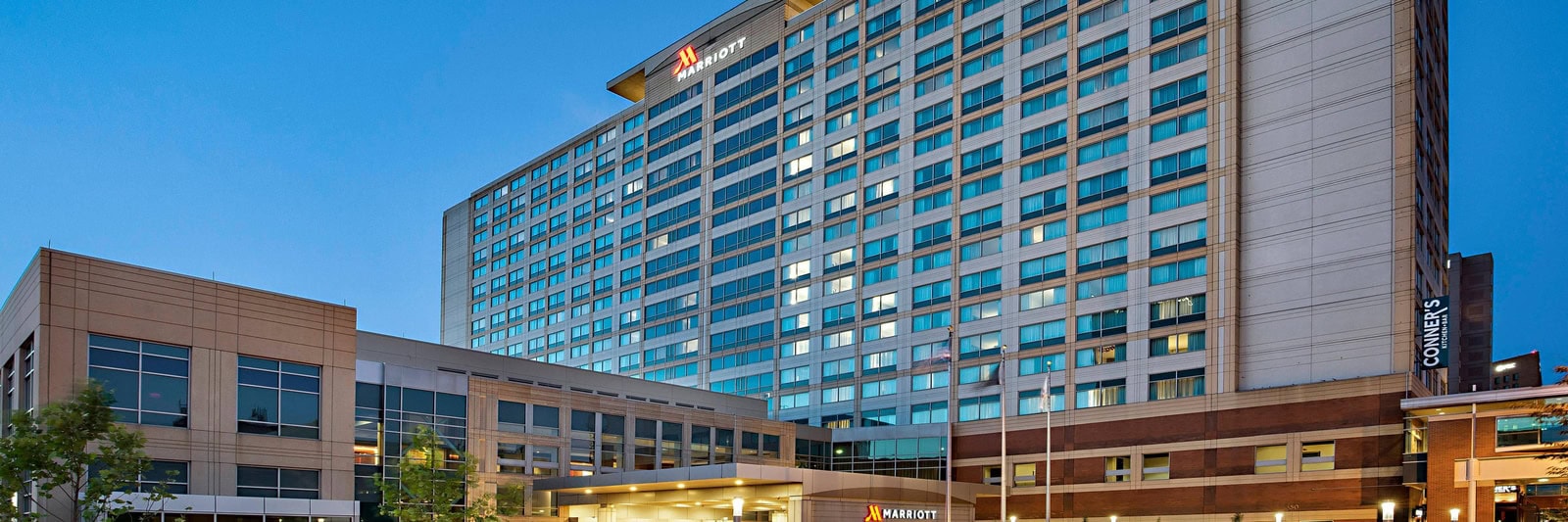
Book a reservation online or call (317) 822-3500 and reference the group code “2026 Manufacturing Institute Workforce Summit” for the group room rate.
The cut-off date for reservations at the negotiated group rate is October 5, 2026; however, once the room block is filled (which may be before cut-off), room availability and the group rate are not guaranteed. Registrants are responsible for making and cancelling their own hotel room reservations. All reservations must be guaranteed with a major credit card.
Reservations can be cancelled up to 24 hours prior to arrival without penalty. If you cancel within 24 hours of your scheduled arrival, a cancellation fee equal to one night’s room revenue will be charged.
For hotel questions or assistance, please contact [email protected].
Make the case
At the Workforce Summit, employers connect with education professionals, community partners and subject matter experts to learn from one another and discover tangible solutions geared toward the manufacturing industry — closing the skills gap and attracting, training and retaining workers.
The Manufacturing Institute’s 2026 Workforce Summit is the premier event for manufacturing leaders focused on building a resilient workforce. As the industry faces rapid shifts in workforce expectations, economic conditions and technological advancement, the Summit offers a unique opportunity to address today’s most pressing talent challenges while laying the groundwork for long-term success.
Now in its fifth year, the Workforce Summit has become a nationally recognized convening for forward-thinking manufacturing leaders. The Manufacturing Institute delivers a one-of-a-kind experience that equips attendees with timely insights, practical tools and collaborative strategies to help manufacturers remain competitive, innovative and future focused.
The Workforce Summit brings together a diverse cross-section of leaders who are shaping the future of manufacturing: executives, human resource professionals, operations leaders, frontline leaders, education and training providers, workforce development experts, community-based organizations and policymakers. Whether you are directly managing workforce strategy or influencing talent development in your region, the Summit offers valuable insights and actionable solutions tailored to your role.
4.6 out of 5 — attendees rated the event as excellent.
“The quality of both the content and the production far exceeded my expectations.” — Community Partner
“This event was incredible. It was eye-opening to realize we are not alone in the challenges we face. Hearing how others are finding success gave me new ideas and motivation.” — Workforce Partner
“The roundtable discussions were a highlight. Honest, practical conversations about real issues employers are dealing with today.” — Manufacturer
Made possible by
The Manufacturing Institute is a trusted adviser to manufacturers, equipping them with the resources necessary to solve the industry’s toughest challenges. This high-energy event highlights best practices and thought leadership for a diverse set of stakeholders interested in manufacturing workforce solutions for today and tomorrow.
If you are interested in increasing your company’s presence at the Manufacturing Institute’s Workforce Summit, view the sponsorship prospectus and contact Mitch Harle for opportunities at [email protected].
Premier Sponsors


Influencer Sponsor

Welcome Sponsor

Gold Sponsors




Silver Sponsors

Bronze Sponsors

Networking Lunch Sponsor

Brewing Solutions Sponsor
Promotional Partner
Join manufacturing and workforce leaders October 26–28 at the Indianapolis Marriott Downtown.